
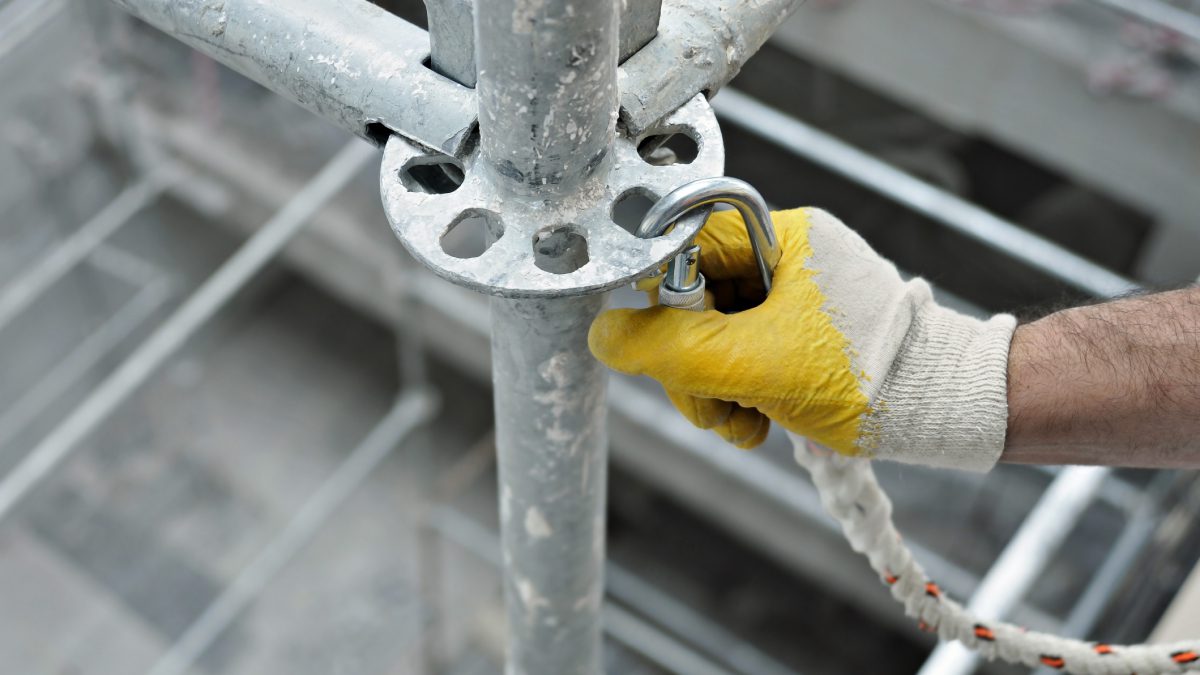
Delays in construction projects often stem from avoidable scaffold design mistakes. Whether you’re a contractor, project manager, or site supervisor, overlooking scaffold design details can result in safety failures, failed inspections, or costly rebuilds.
In this article, we highlight the five most common scaffold design mistakes that cause project delays — and how to avoid them with the right expertise.
Mistake 1: No Drawings for Non-Standard Scaffolds
Many teams rely on TG20:21 standard compliance sheets for scaffolding. While TG20:21 covers many common designs, it does not apply to non-standard structures such as:
Cantilever scaffolds
Temporary roof scaffolds
Heavy load-bearing platforms
Complex geometry or curved facades
👉 Without bespoke scaffold drawings, these scaffolds risk failing safety inspections and delaying project progress.
Solution: Invest in 2D and 3D scaffold drawings that are tailored to your project. At Fox Scaffold Design, we provide AutoCAD scaffold designs that meet TG20:21, BS EN 12811-1, and BS 5975 standards.
Mistake 2: Ignoring Wind and Load Calculations
A scaffold may look stable, but without structural analysis and load calculations, it could fail under stress. Ignoring:
Wind loads
Live and dead loads
Bracing and tie patterns
…can create unsafe scaffolds that fail inspections or, worse, collapse on site.
Solution: Ensure all scaffold designs undergo structural analysis and calculations. These can be included in a design package alongside drawings, providing proof for contractors and safety auditors.
Mistake 3: Poor Tie and Bracing Patterns
Even the best scaffold drawing is useless if ties and bracing are not properly designed. Incorrect tie spacing or inadequate bracing leads to:
Scaffold sway and instability
Increased risk of collapse
Failure to pass site inspections
Solution: Work with engineers who design practical tie and bracing patterns for real-world buildability. Our Our Services page details how we create designs with scaffolders in mind, ensuring both safety and practicality.
Mistake 4: Not Planning for Inspections or Verification
Scaffolds often require CAT 2 or CAT 3 checks under BS 5975 Temporary Works procedures. Skipping this step can mean:
Projects grind to a halt while verification is arranged late.
Principal contractors or local authorities refuse sign-off.
Emergency redesigns cause unnecessary costs.
Solution: Plan for inspections early. At Fox Scaffold Design, we provide independent CAT 3 checks for high-risk projects such as Network Rail and London Underground works.
Mistake 5: Delayed Design Approvals
Time is money in construction. If scaffold designs are delivered late or require multiple revisions, projects can stall.
Solution: Choose a scaffold design partner who offers fast turnaround times without compromising quality. Our team provides 24/7 emergency call-outs and urgent design services to keep your project moving.
👉 Contact Us today for a free consultation and avoid costly project delays.
How to Avoid Scaffold Project Delays
Avoiding these mistakes comes down to:
Investing in accurate scaffold drawings.
Ensuring wind/load calculations are included.
Using experienced engineers for tie and bracing design.
Planning CAT 2 and CAT 3 checks early.
Partnering with a team that delivers on time.
At Fox Scaffold Design, we combine over 40 years of experience with modern AutoCAD design to keep your projects safe, compliant, and efficient.
Frequently Asked Questions (FAQs)
1. Do I need bespoke scaffold drawings for every project?
Not always. TG20:21 covers many standard designs. Bespoke drawings are required for non-standard scaffolds like cantilevers or temporary roofs.
2. How do scaffold calculations prevent delays?
They prove the scaffold can handle loads and wind pressures, ensuring approval from inspectors without costly rework.
3. What is a CAT 3 check in scaffold design?
A CAT 3 check is an independent review of scaffold design for complex or high-risk projects, required under BS 5975.
4. How quickly can scaffold drawings be delivered?
We provide standard turnarounds as well as urgent services with 24/7 call-out support.
5. Do you cover projects outside the South East?
Yes. While our core areas are London, Sussex, Surrey, and Kent, we provide scaffold design services nationwide.
Don’t let scaffold design mistakes delay your project.
Get compliant, accurate, and practical scaffold drawings from trusted engineers.
👉 Request Your Free Consultation today.



Leave A Comment